The Importance of MDR Certification in Medical Devices: Mitigating Risks and Ensuring Patient Safety
The Medical Device Regulation (MDR) (EU) 2017/745 is the European Union’s comprehensive regulatory framework designed to ensure the safety, performance, and traceability of medical devices. Published in May 2017 and fully applicable since May 2021, MDR significantly strengthened requirements for manufacturers, including biocompatibility evaluation, clinical assessment, risk management, and post-market surveillance.
MDR clearly defines manufacturers’ responsibilities throughout the entire lifecycle of a medical device. It requires robust technical documentation, continuous post-market monitoring, and evidence-based clinical evaluation to ensure long-term safety and performance. These requirements aim to prevent patient harm and improve transparency across the medical device market.
Medical devices are classified based on intended use and risk level into four main categories:
As the risk level increases, MDR requires more extensive clinical evidence, tighter controls, and involvement of a notified body.
Devices without MDR certification may not have undergone sufficient testing for biocompatibility, performance, or long-term safety. This can result in adverse reactions, device malfunction, or serious patient harm. The absence of validated clinical data increases uncertainty and risk during medical use.
The marketing or use of non-MDR-certified devices within the EU is prohibited. Manufacturers and distributors may face severe penalties, including product recalls, market withdrawal, financial sanctions, and reputational damage.
MDR ensures full traceability of medical devices from manufacturing to end use. This enables rapid response to adverse events and effective recall management. Non-MDR devices lack this structured traceability, making performance monitoring and corrective actions significantly more difficult.
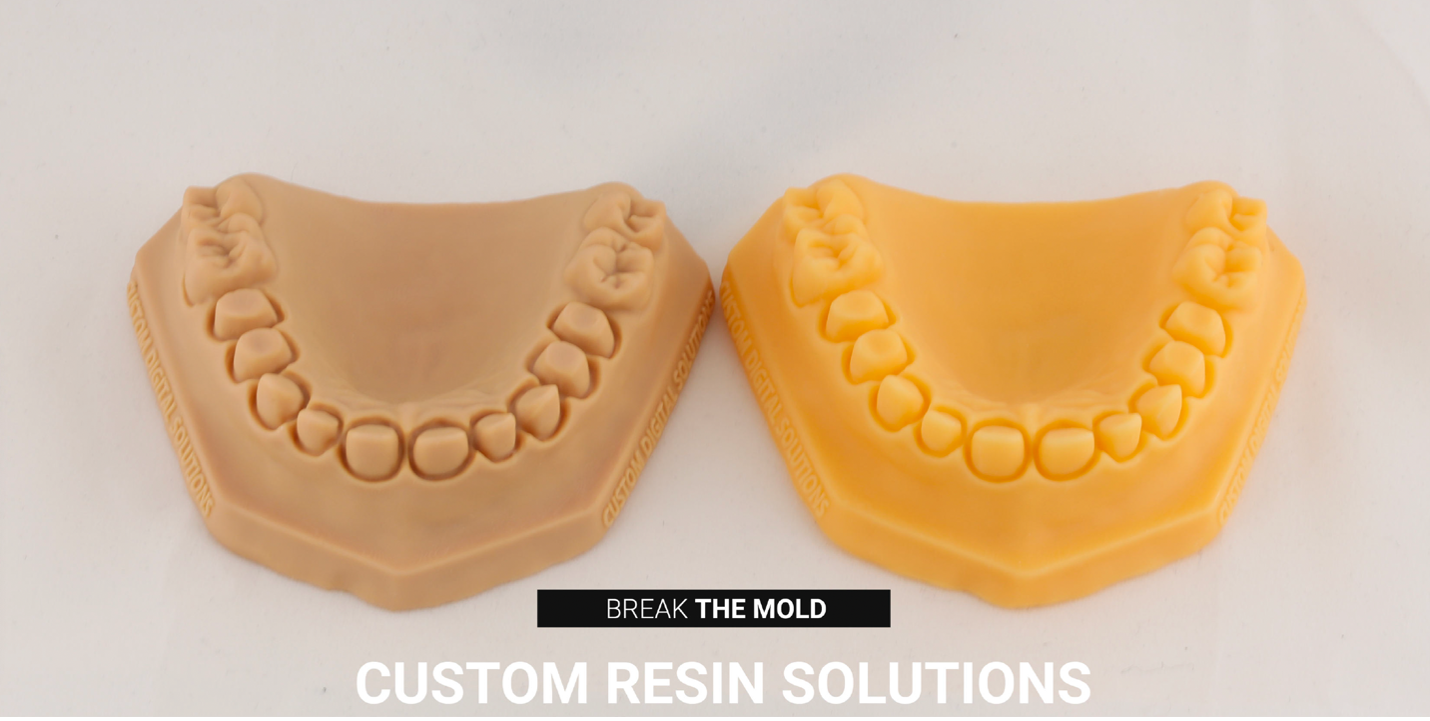
As part of our commitment to patient safety and regulatory compliance, our Composite Resin has been certified as an MDR Class IIa medical device. This certification confirms that the product meets strict requirements for biocompatibility, quality, performance, and clinical safety.
To achieve MDR certification, our composite resin underwent comprehensive technical documentation review, clinical evaluation, and biocompatibility testing. Each step was conducted in accordance with MDR requirements to ensure that the product performs safely and reliably in clinical use.
This rigorous process not only validates product performance but also ensures consistent manufacturing quality and long-term patient protection.
MDR certification is not merely a regulatory obligation—it is a commitment to patient safety, transparency, and ethical responsibility. The risks associated with non-MDR-certified devices clearly demonstrate the importance of strict regulatory compliance.
By achieving MDR Class IIa certification for our Composite Resin, we reaffirm our dedication to producing safe, traceable, and clinically reliable dental materials that meet the highest standards of medical device regulation.
Learn more about our dental 3D printing resin solutions designed for accuracy, safety, and regulatory compliance.
#MDRCertification #EU2017745 #MedicalDeviceRegulation #MedicalDeviceCompliance #DentalMedicalDevices #DentalMaterials #DentalCompositeResin #ClassIIaMedicalDevice #CECertification #Biocompatibility #ClinicalEvaluation #RiskManagement #PostMarketSurveillance #PatientSafety #MedicalDeviceSafety #Traceability #RegulatoryCompliance #DentalIndustry #CustomResinSolutions