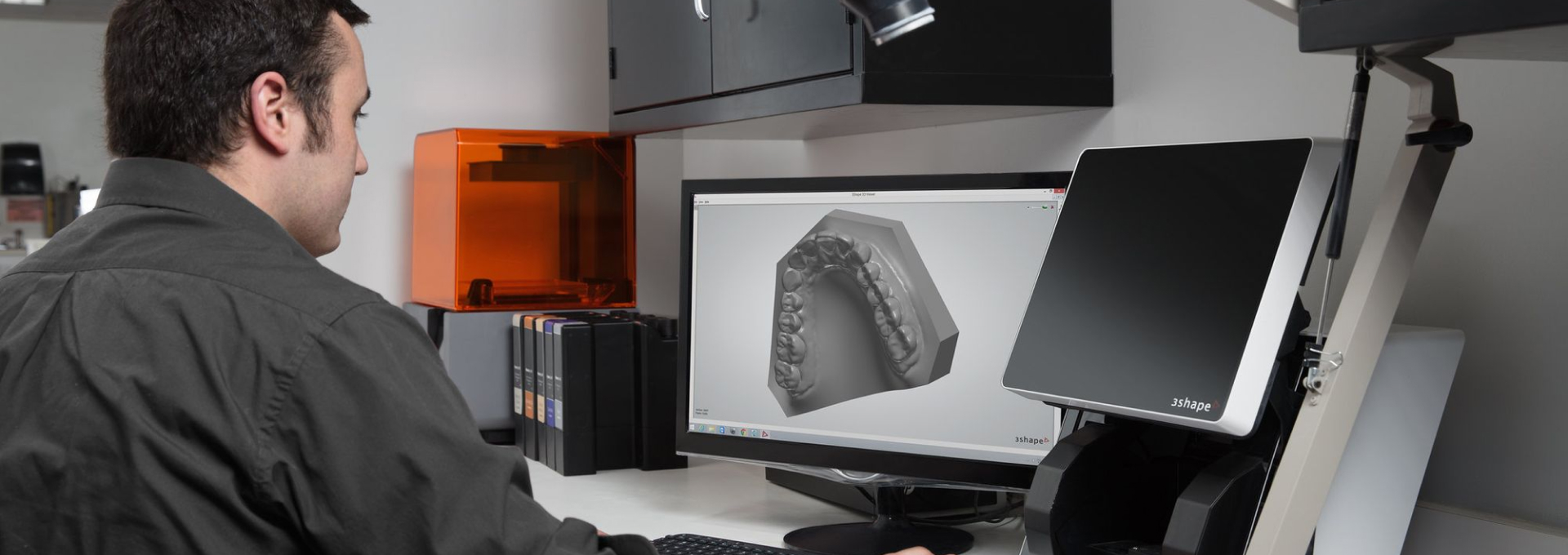
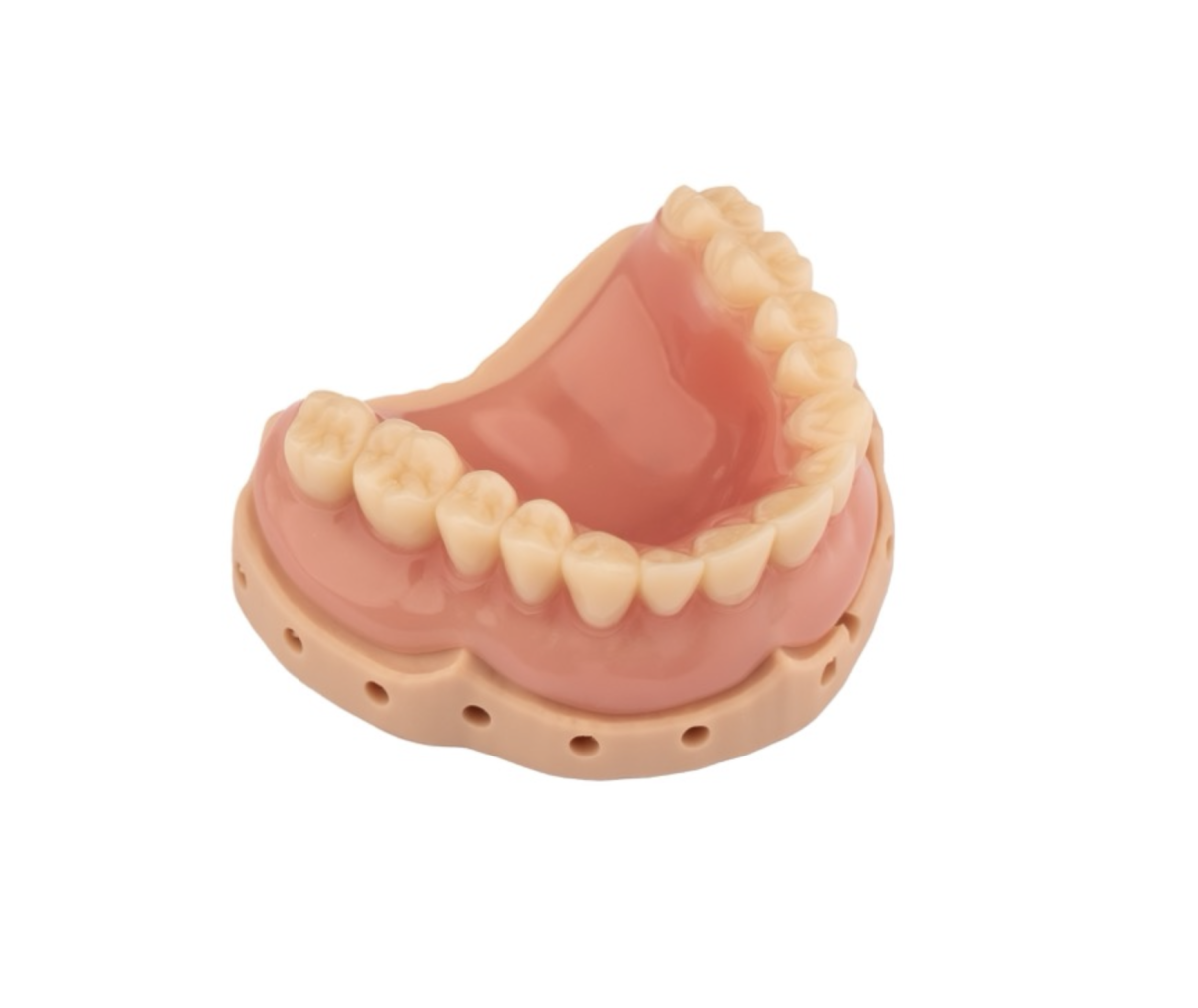
Choosing the right dental 3D printing resin is essential for achieving high-quality results, ensuring patient safety, and maintaining efficient digital workflows. Resins used for crowns, bridges, aligners, and surgical guides must meet both device compatibility and biocompatibility requirements to ensure long-term clinical success.
Each 3D printer operates with specific wavelengths, light sources, and exposure parameters. When a dental resin is incompatible with the device, problems such as brittleness, surface defects, dimensional inaccuracies, and print failures may occur. These issues increase production costs and extend treatment time.
Users should always review printer specifications and manufacturer compatibility charts before choosing a material. While some resins are restricted to specific printer brands, open-system dental resins provide flexibility by working safely across multiple devices. This allows clinics and laboratories to reduce costs and maintain workflow efficiency even when switching or upgrading printers.
Open-system resins allow professionals to switch between different 3D printers without being limited to a single brand. This independence is especially valuable as production demands grow.
Unlike proprietary resin systems, open materials provide access to various formulations and pricing options, improving cost management.
Clinics and labs can experiment with new materials, optimize print parameters, and quickly adopt new resin technologies, supporting innovation in digital dentistry.
Biocompatibility ensures that a dental resin interacts safely with human tissues. Biocompatible materials undergo extensive testing according to global standards to confirm safety and reliability.
ISO 10993 verifies that the material does not cause harmful biological reactions. This is essential for patient safety and long-term clinical success.
Selecting a dental 3D printing resin that offers both device compatibility and certified biocompatibility ensures predictable outcomes, efficient workflows, and high patient satisfaction. Using CE- and FDA-certified open-system materials strengthens clinical reliability and supports long-term digital dentistry success.
Learn more about our dental 3D printing resin solutions designed for accuracy, safety, and regulatory compliance.
#Dental3DPrinting #DentalResin #3DPrintingResin #BiocompatibleResin #DentalMaterials #OpenSystemResin #Dental3DPrinter #ResinCompatibility #ISO10993 #CECertified #FDAApproved #DentalInnovation #DentalTechnology #SurgicalGuideResin #OrthodonticResin #CrownAndBridgeResin #DentalWorkflow #DigitalDentistry